Product design (B2B SaaS, WFM)
2023 - 2024
PMs and Developers
End-to-end design (discovery → delivery)
PMs, DEVs
December 2025
Story at a glance
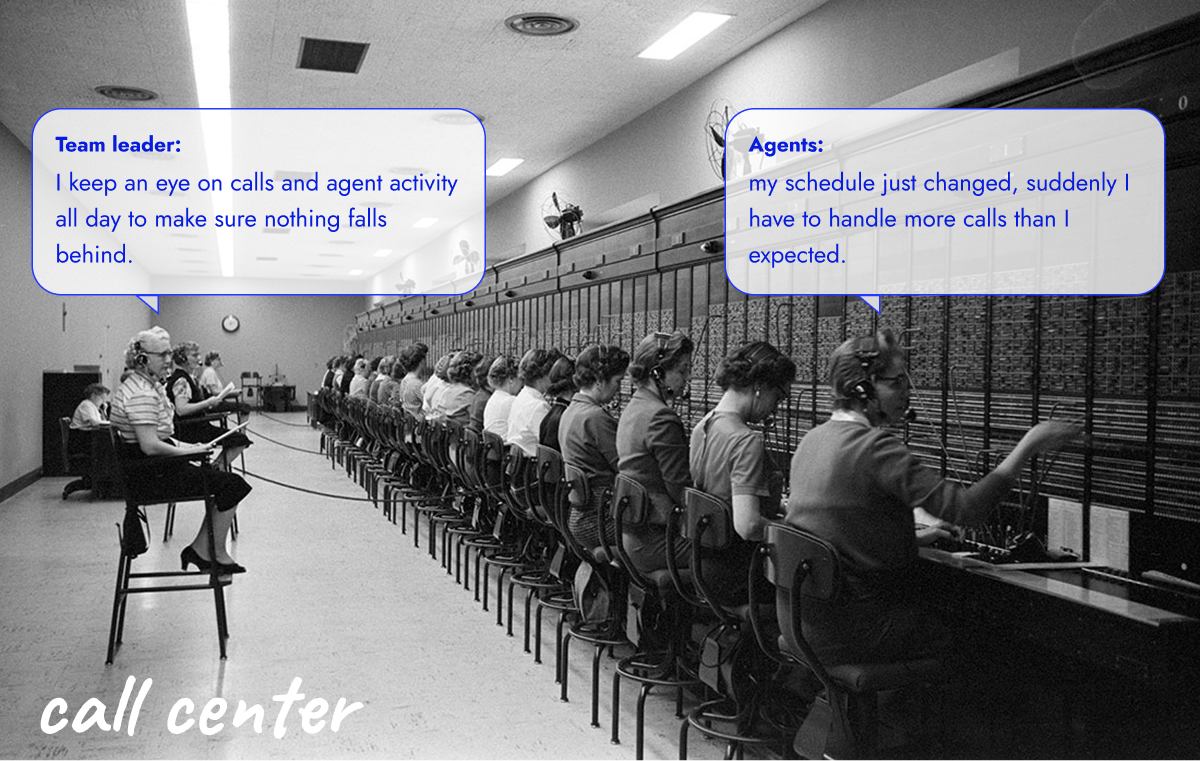
Before—>
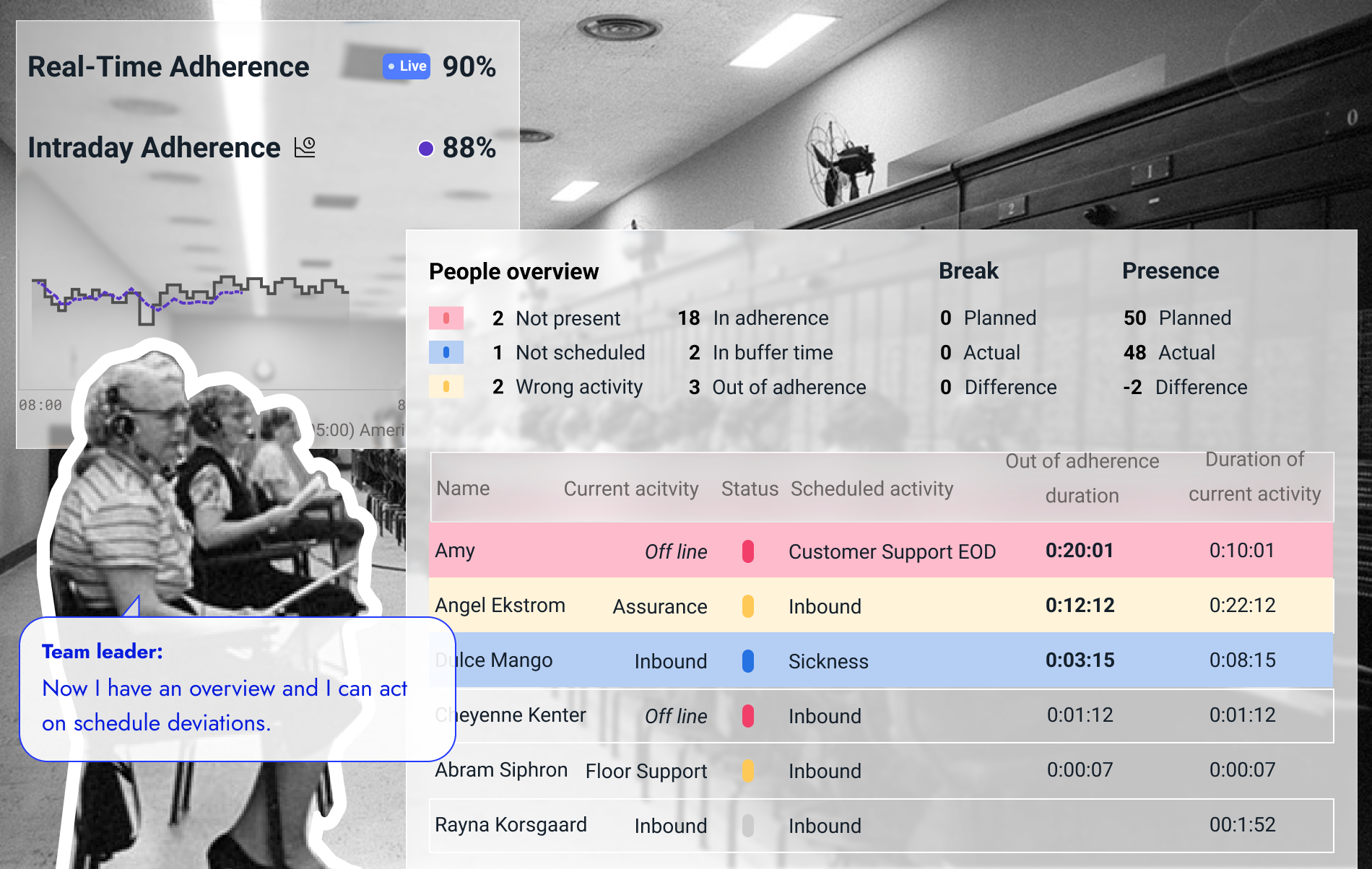
After—>
Challenges and my role
A SaaS workforce management product I worked on, was covering the full WFM lifecycle. At the time of this project, intraday management was in discovery and lacked customer-facing features, despite strong foundational capabilities already in place.
Preconditions
- Core WFM products (scheduling, forecasting, time tracking) were live and stable.
- Required data sources were available:
- Real-time agent status from third-party systems via integrations.
- Agent status generated internally through the time-tracking product, related case study
Challenges
Business perspective
The platform lacked a real-time adherence monitoring solution, limiting team lead’s ability to manage schedule compliance throughout the day. This gap impacted:
- Customer retention, due to an incomplete WFM offering
- Product adoption, especially for intraday use cases
- Customer satisfaction, as leads lacked timely operational visibility
Product perspective
The product needed to enable team leads to:
- Monitor agent adherence in real time
- Identify trends and patterns at agent and team level
- Act quickly on schedule deviations to minimize service-level impact
My role
As the Product Designer, I was responsible for:
- Conducting customer interviews to uncover needs and pain points
- Owning the end-to-end design process (research, ideation, prototyping, validation)
- Collaborating closely with PMs and engineers to align design and delivery
- Ensuring solutions aligned with and scaled through the existing design system
Understanding users
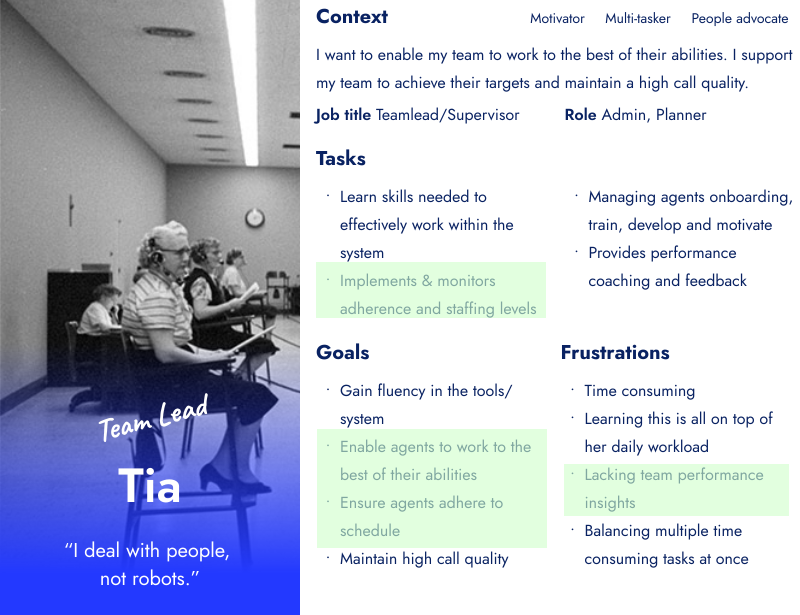
Team lead
Also known as “Real Time Manager”, depends on the company structure and size.
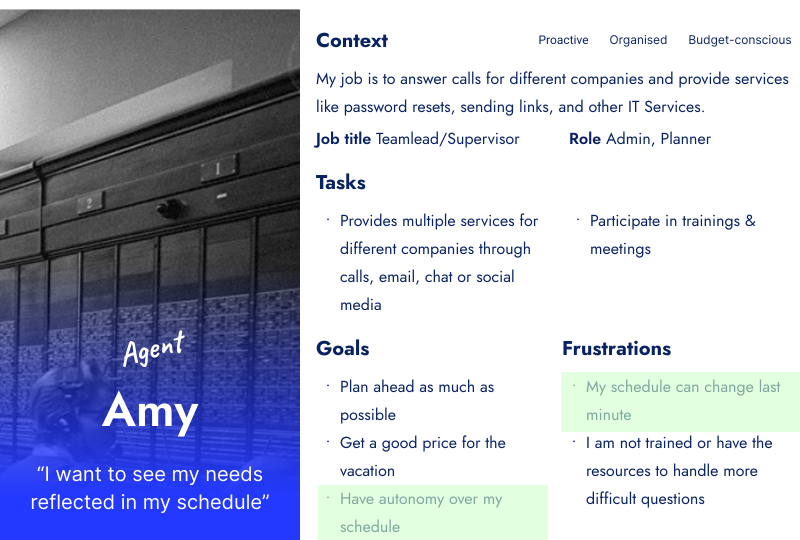
Agent
What is real matters
Real life of agent
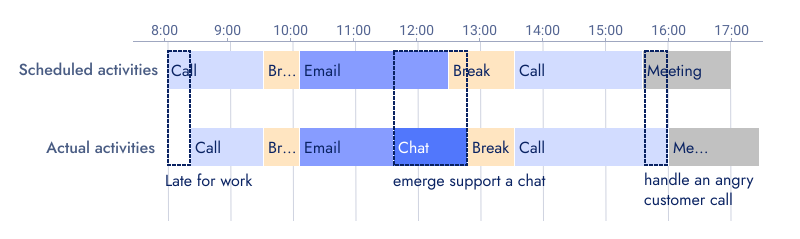
Why it is bad
- Missing customers’ calls.
- Increase customer waiting time.
- Decrease customer satisfaction.
- Lost deals.
Approach solution
Problem and opportunities
I followed a continuous discovery approach, inspired by Continuous Discovery Habits by Teresa Torres, to understand user goals and validate assumptions early.
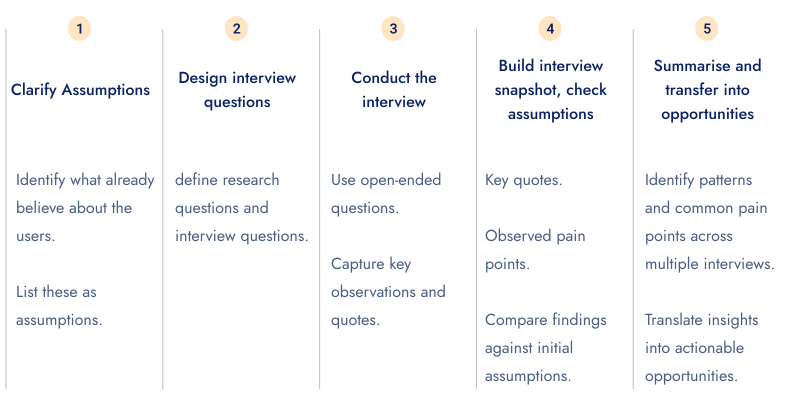
Interivew users acround core assumptions
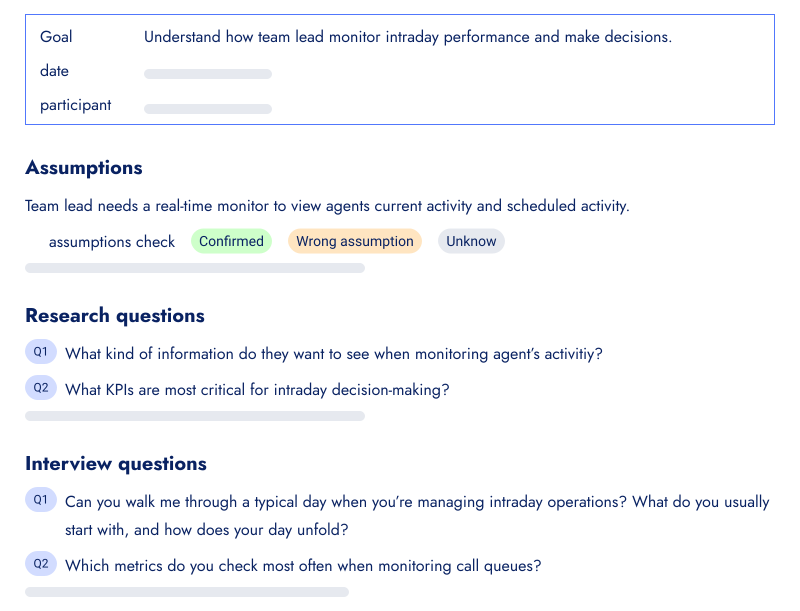
I created an interview guide that:
- Explicitly stated goals and assumptions
- Focused on open-ended questions
- Clearly separated research questions from interview prompts
- This ensured conversations surfaced real behaviors rather than opinions.
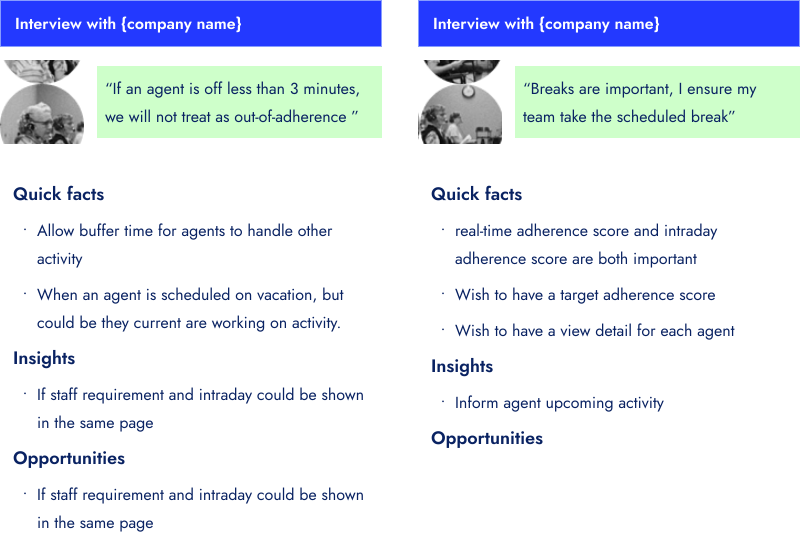
Synthesizing interviews insights
After each interview, I summarized key insights and reviewed them with the Product Manager to validate or challenge our initial assumptions.
Define opportunities and feasibility
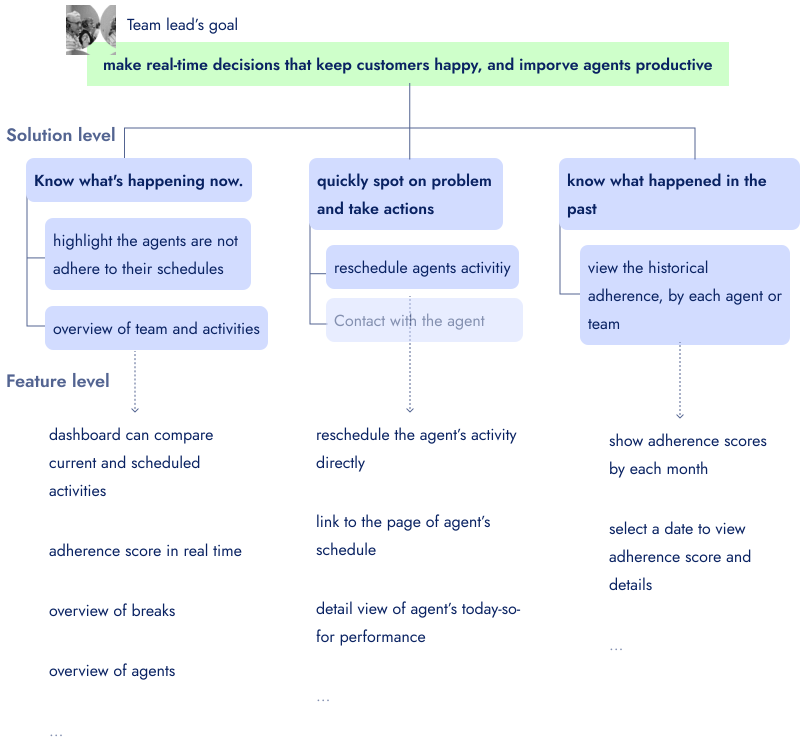
I used an Opportunity Solution Tree to connect desired outcomes with potential solutions.
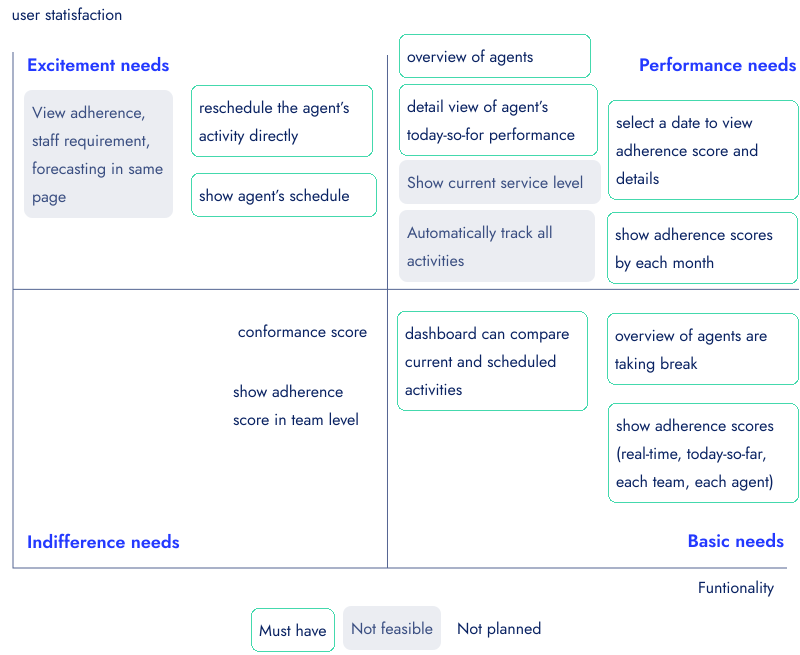
I then applied the Kano model to prioritize opportunities based on user value and implementation effort.
Framing of trade-offs
Problem statement
Team leads needed to detect schedule deviations early enough to act, but showing all agents current and schedules activity table will overwhelmed them with real-time data, making it difficult to distinguish actionable anomalies from background noise.
Strategy
Design a real-time adherence dashboard that surfaces significant deviations first, enabling team leads to identify and address issues quickly without cognitive overload.
Design Priority
We prioritized fast anomaly detection and clarity over exhaustive data exposure. To support rapid scanning and interpretation:
- Out-of-adherence reasons were grouped into three meaningful categories
- Visual hierarchy emphasized severity and deviation impact
- The primary view focused on exceptions, not full activity listings
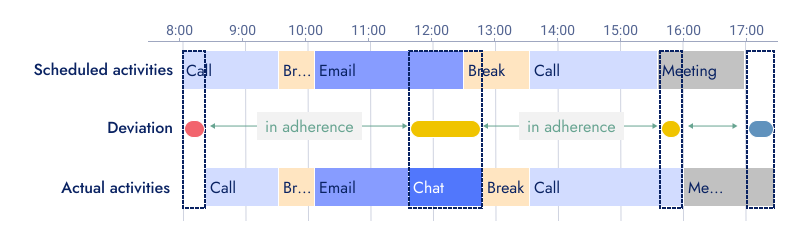
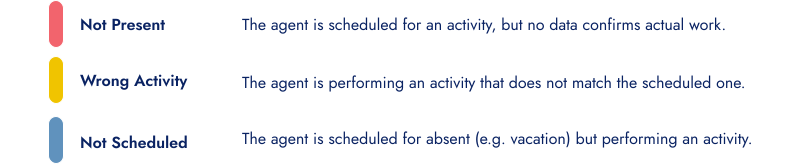
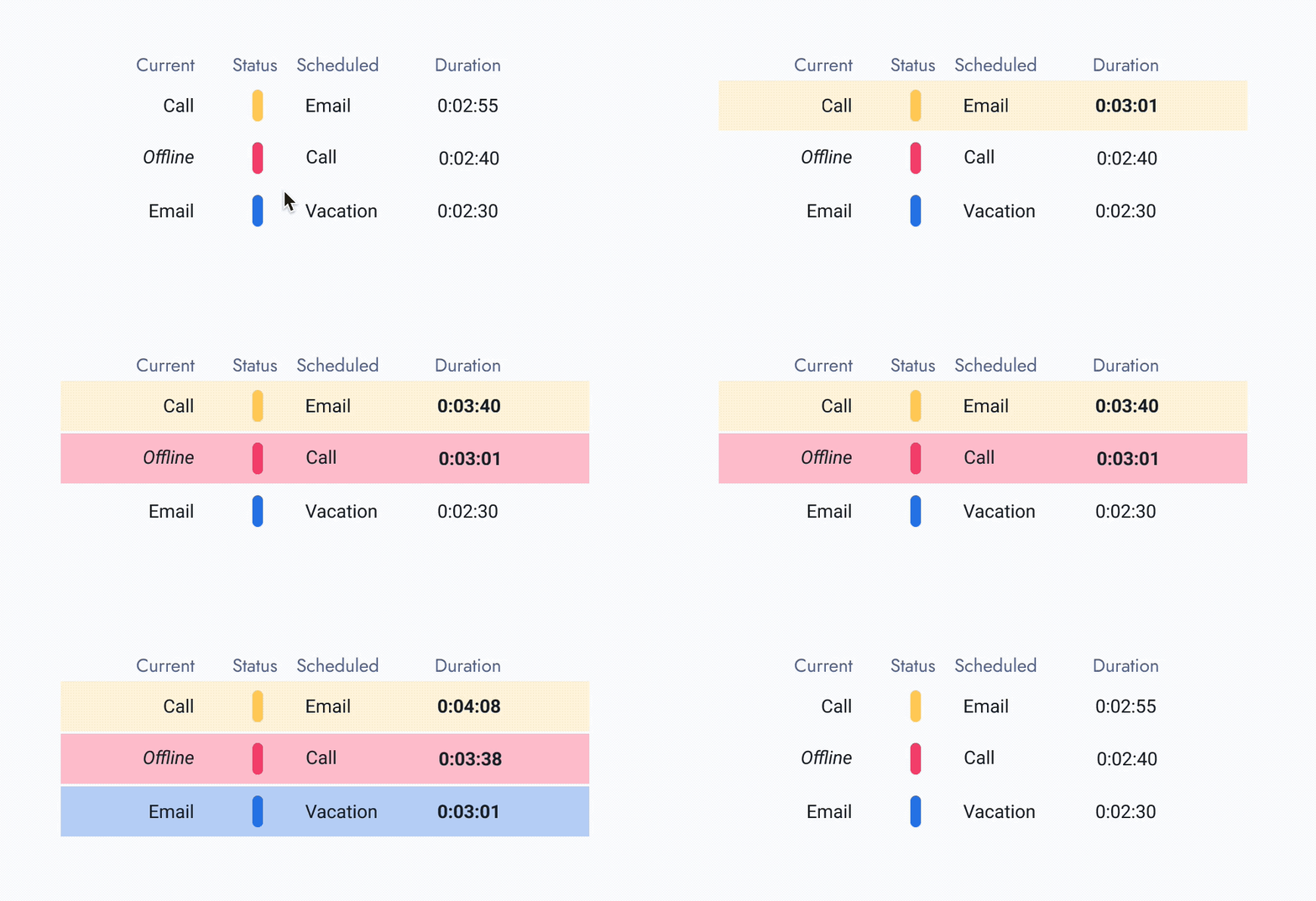
Out-of-adherence events contribute to the adherence score only when the duration exceeds a configurable threshold (default: 3 minutes). This allows team leads to filter out short-term noise while retaining control over sensitivity.

Decision rationale
Why this path
The dashboard is the primary surface for monitoring real-time adherence, so I explored multiple design directions before converging on the final solution.
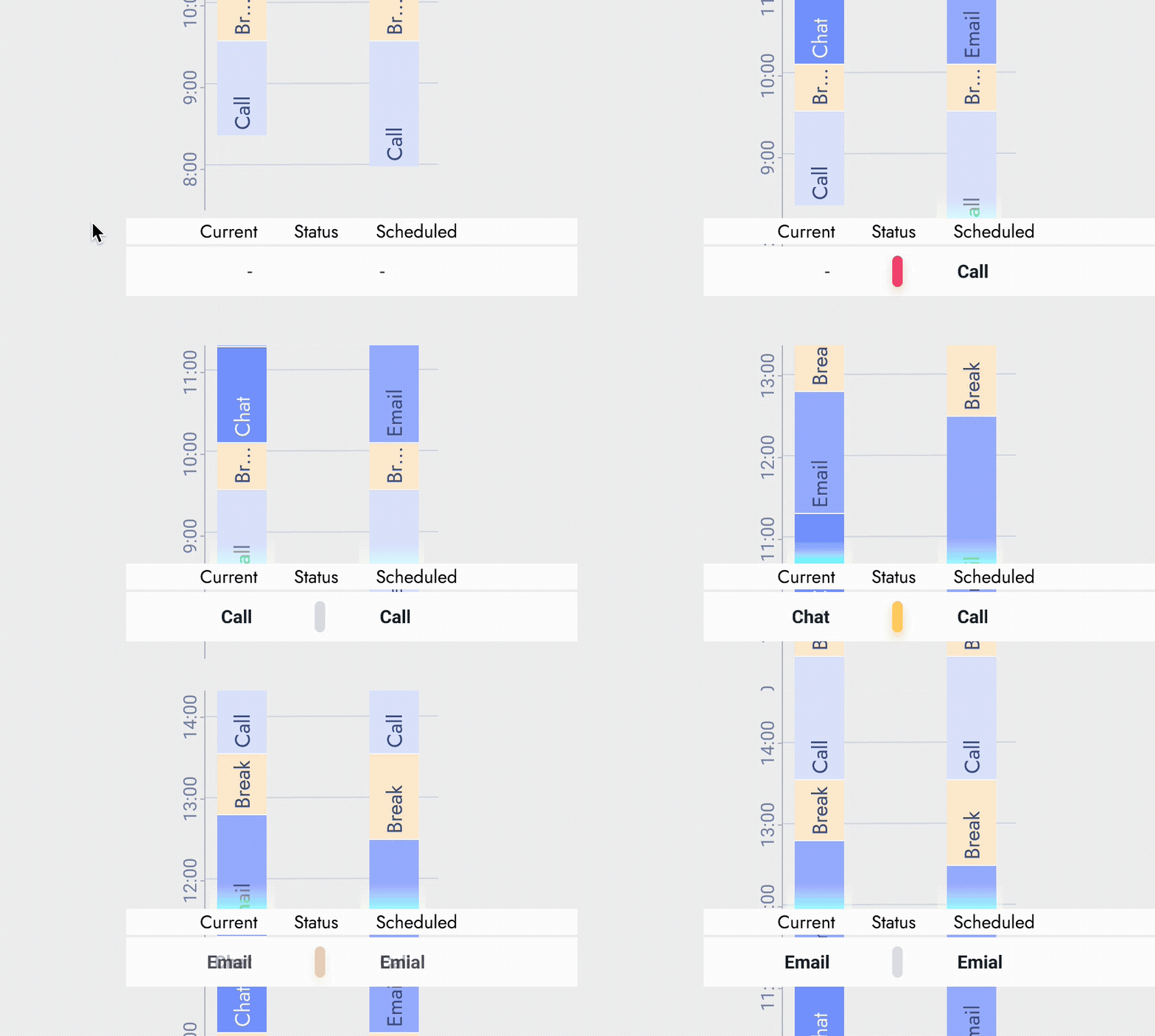
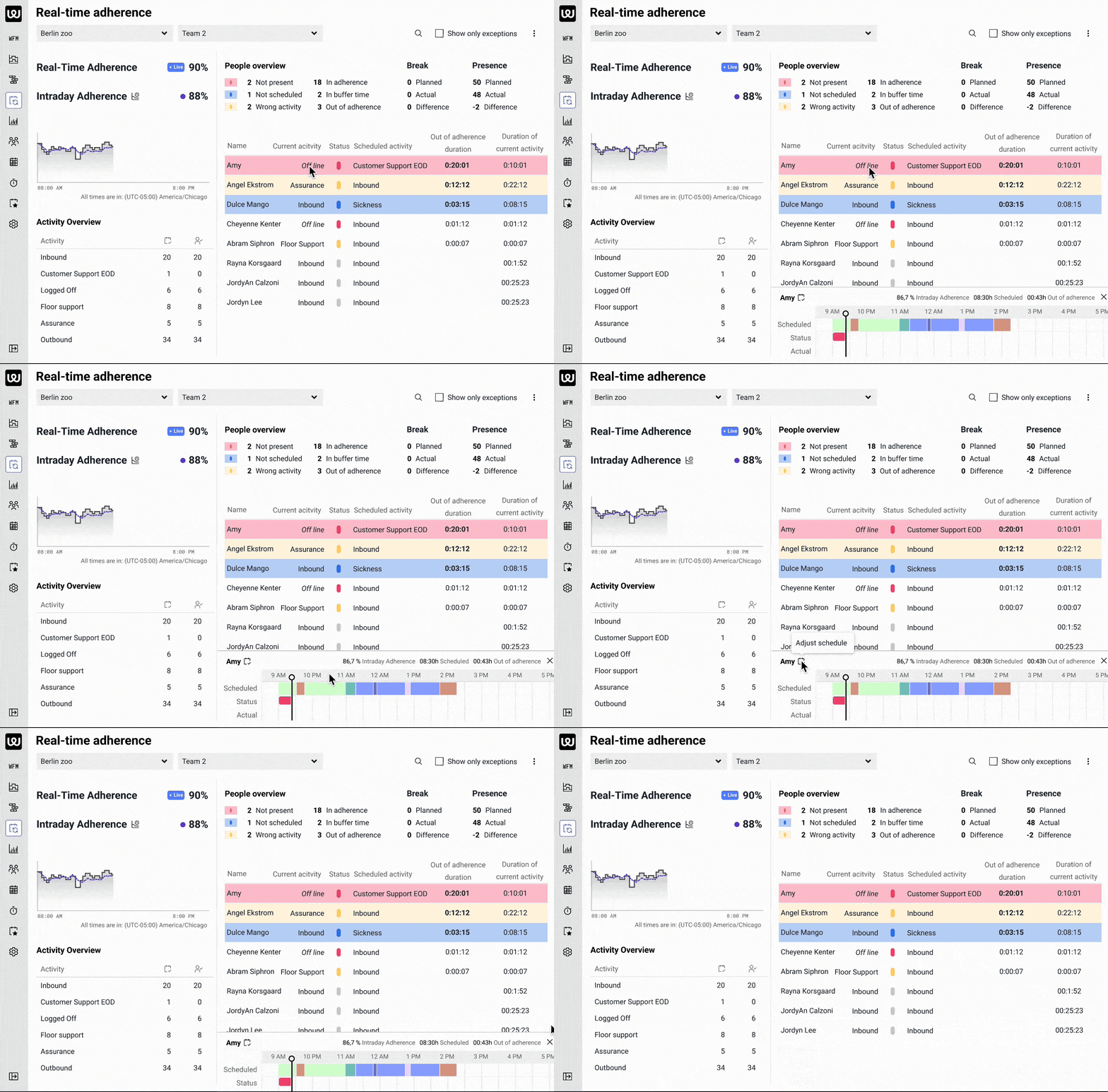
- Compare the current and scheduled activity side-by-side
- Highlight out-of-adherence agents clearly, enabling quick identification of issues
- Differentiate severity visually: agents reach the threshold are shown with a lighter visual treatment.
Alternatives considered
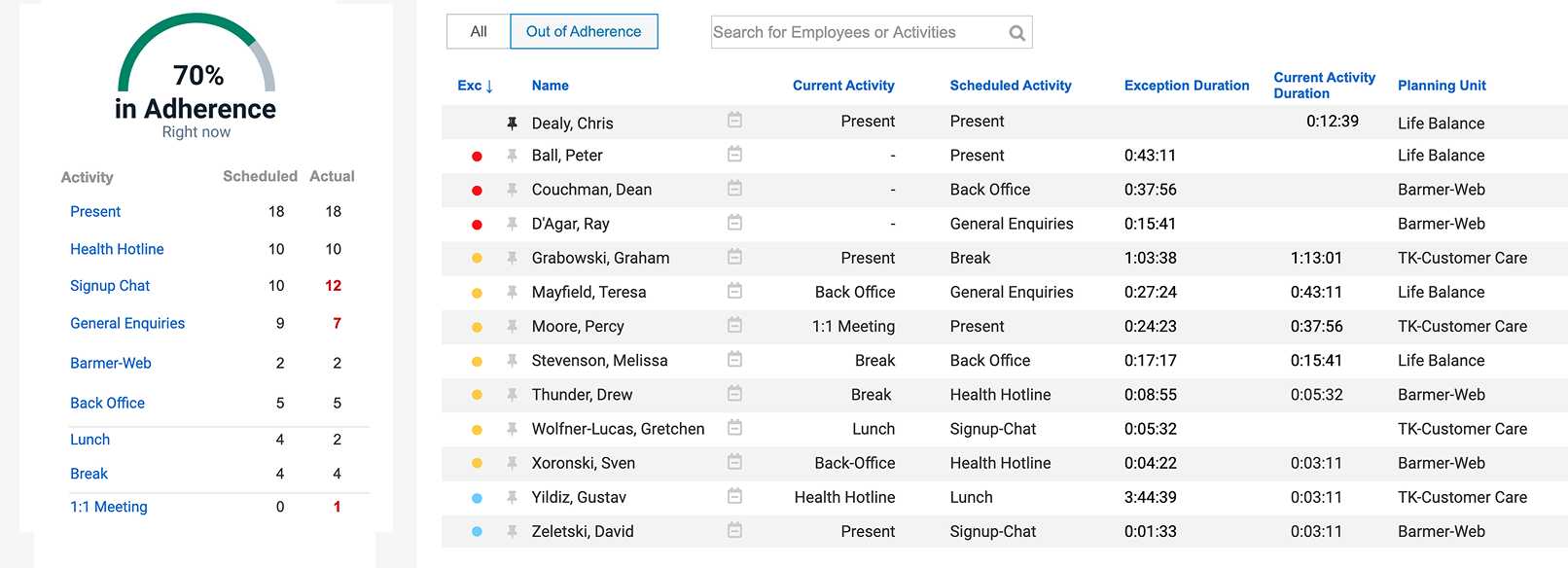
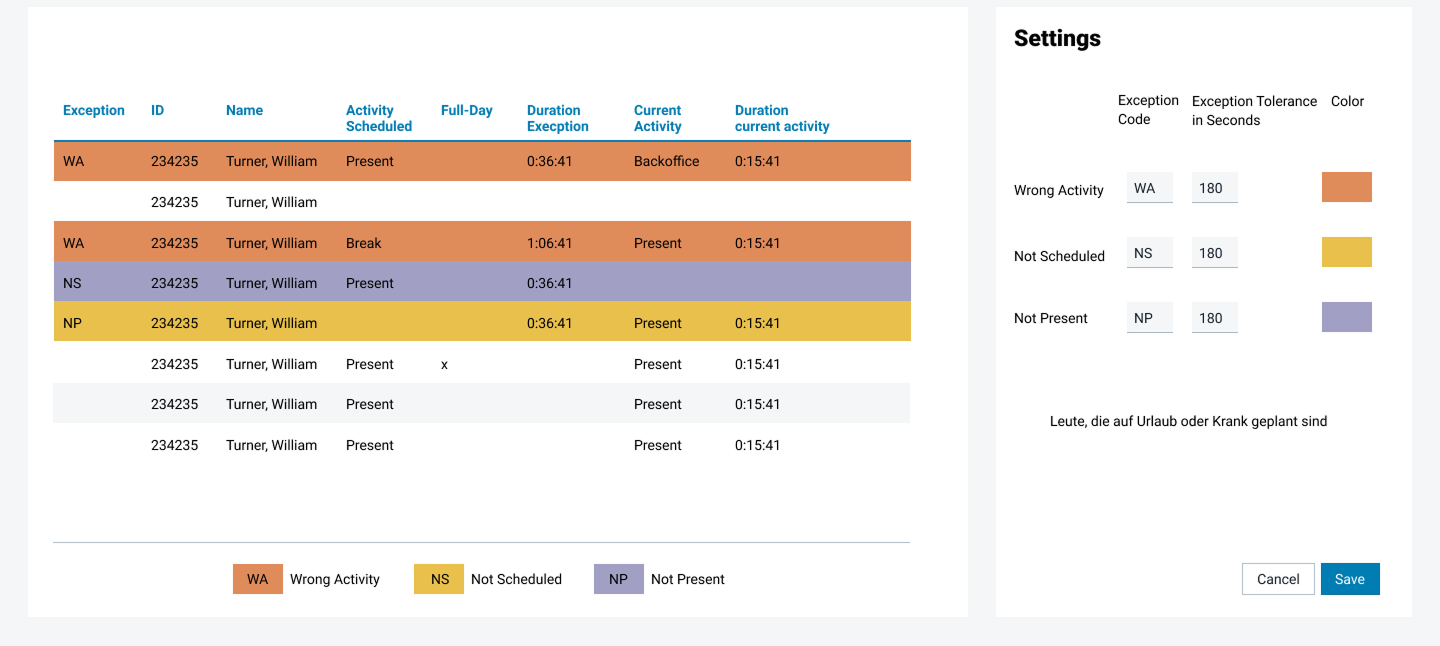
I explored more minimal table-based layouts that reduced contextual information and relied primarily on activity data.
Why they were not selected:
- Reduced context increased cognitive effort when identifying and acting on deviations
- Repeated exception codes made legends unnecessary and harder to interpret
Design outcome
Real-time dashboard
Team leads can monitor real-time intraday performance, also adjut the scheduled activity if needed.
Historical adherence
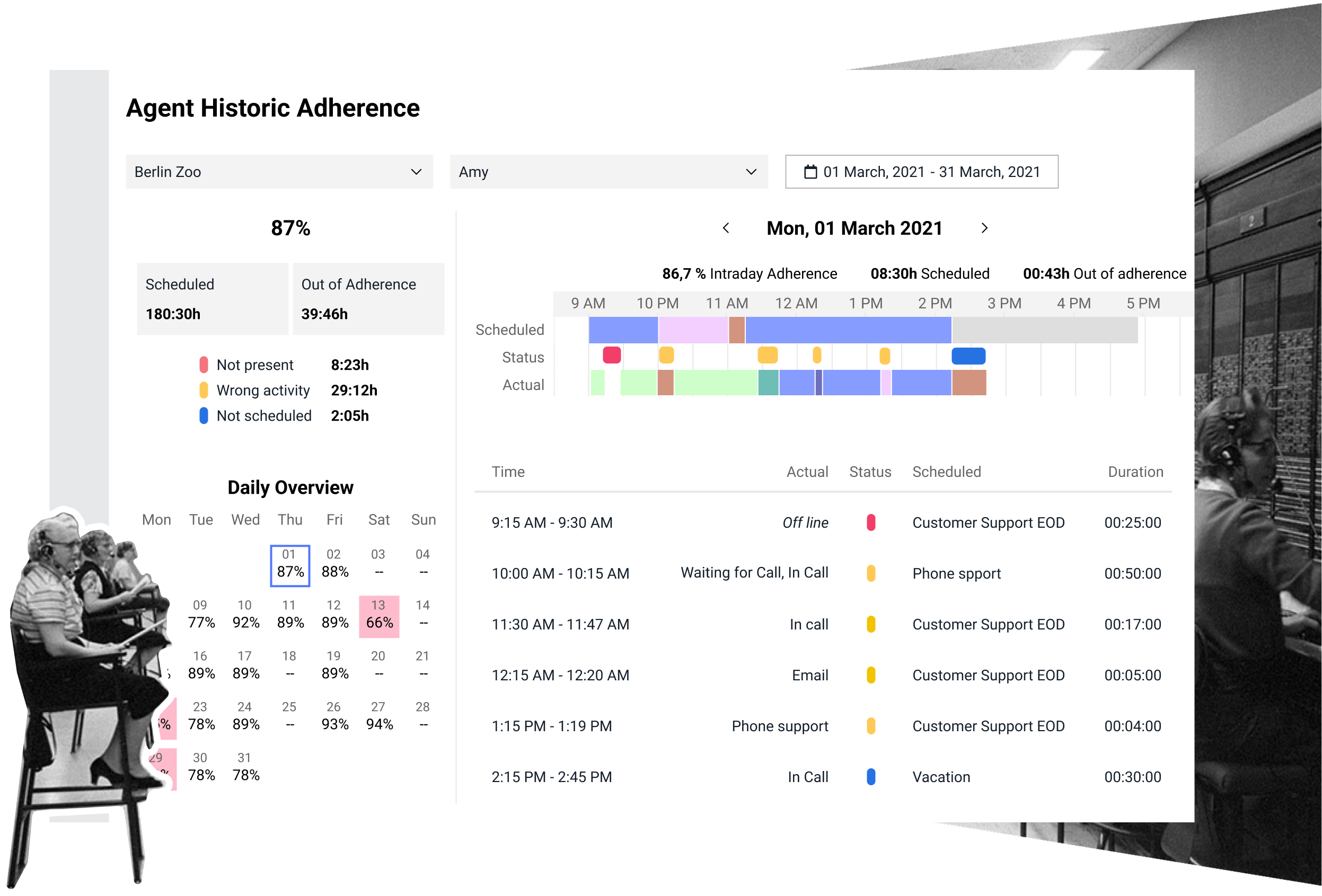
Agent intraday adherence
Using real-time adherence data, performance is aggregated per agent to provide a detailed activity history. The monthly view helps team leads:
- Identify behavioral trends and recurring deviations
- Compare high and low performers
- Support coaching and performance reviews with concrete data
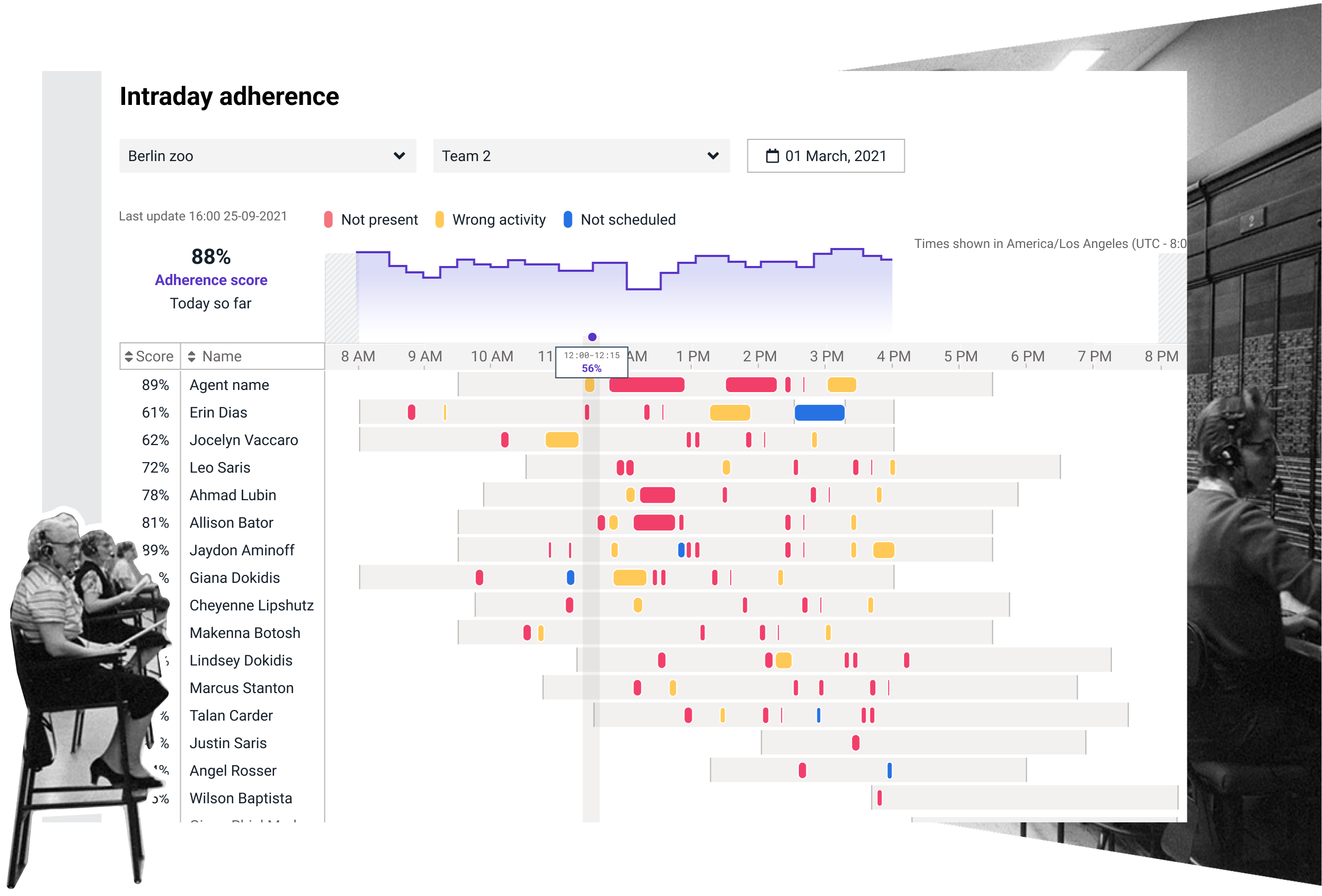
Team intraday insight
Team leads can assess overall team adherence performance and spot emerging patterns across the day.
- This supports operational decisions such as:
- Detecting overload situations (e.g. sustained high call volume)
- Identifying systemic schedule deviations
Constrains
- Agent status data imported from third-party systems required additional mapping due to legacy code
- A mobile version was not delivered due to the density of data and interaction complexity
- Without a direct connection to staff requirement data, the product could not provide automated rescheduling recommendations.
Impact and reflection
Customer feedback
Usages statistics
Over the past 12 month (2024 Septmber to 2025 August), used by about 100 tenants:
- Historical intraday: ~300 interactions per day over the last 12 months.
- Real-time adherence: ~80 interactions per day over the last 12 months.
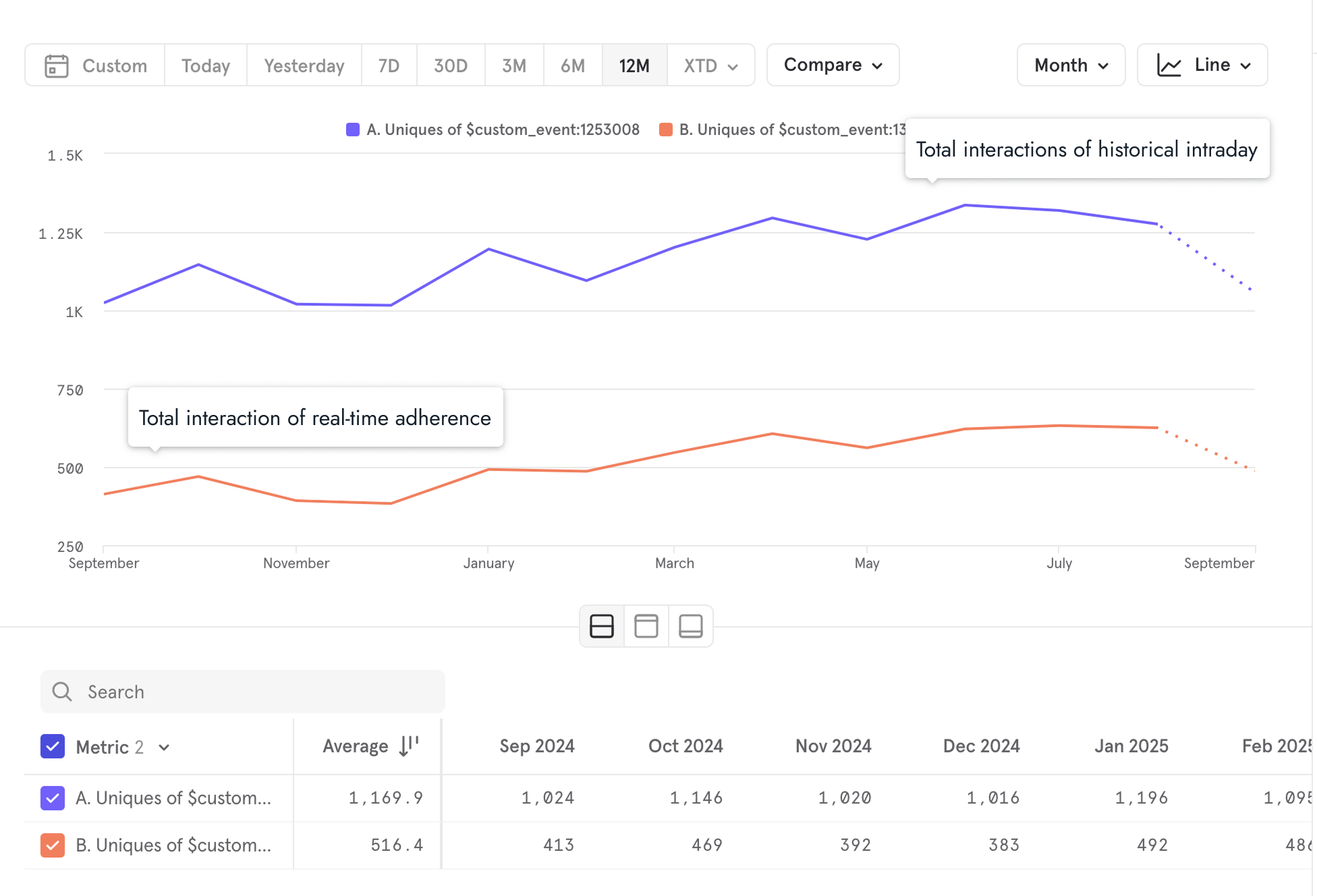
Interpreting usage patterns
-
Historical intraday (most used):
- Primary use for payroll validation and end-of-day performance reviews
- Secondary use for weekly and monthly reporting to management
-
Real-time adherence (less used):
- Primarily used for monitoring rather than interaction
- Adoption constrained by regional regulations (e.g. strict employee monitoring policies in Germany)
Reflection
Lessons learned
- Team-level historical adherence had limited value: team leads needed insight into specific deviations, not high-level status history.
- Compare the schedule and actual agents in activity-level (e.g. email, call) views created noise: team leads focused on which agents were out of adherence.
AI opportunities
When this product was designed in 2022, real-time monitoring required continuous human attention. By 2025, AI-driven systems enable a shift toward exception-based oversight:
- Real-time dashboard monitoring may become less critical, because the junior-level monitoring tasks could decrease, allowing team leads to focus on exceptions and complex decisions rather than constant oversight
- Design solution could focus on AI-driven insights can help team leads prioritize actions: suggesting the rescheduling and task reallocation based on real-time data analysis.