Context
Area of work
Talent Management (B2B SaaS)
Collaboration
PM and Developers
Time frame
2019
My role
- Led end-to-end UX/UI design
- Defined interaction models for many-to-many goal relationships
- Designed and tested multiple alignment concepts with managers
Result
- Improved visibility of cross-level goal alignment
- Reduced cognitive load during manager review cycles
- Delivered scalable interaction model for large organizations
Reusable knowledge
- Many-to-many relationships require progressive focus, not full exposure
- Users align around parent goals before thinking about individuals
- Visibility of relationships is more critical than editing efficiency
Overview
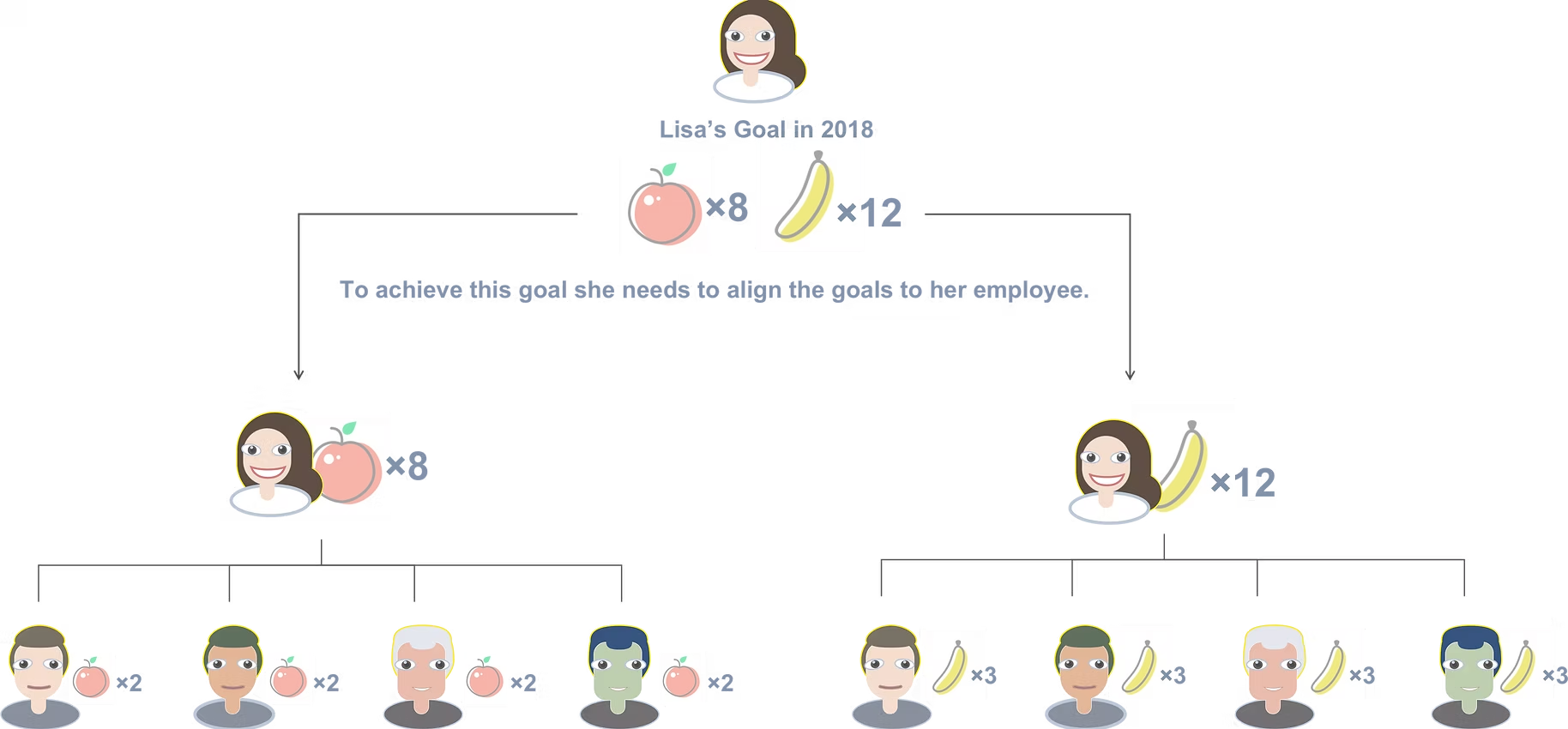
Goal alignment translates organizational strategy into connected individual and team goals across hierarchy levels.
In large organizations, a single manager oversees multiple employees — each owning several goals that must align to broader strategic objectives.
UX challenge
Design a system that makes many-to-many goal relationships visible and manageable without overwhelming the user.
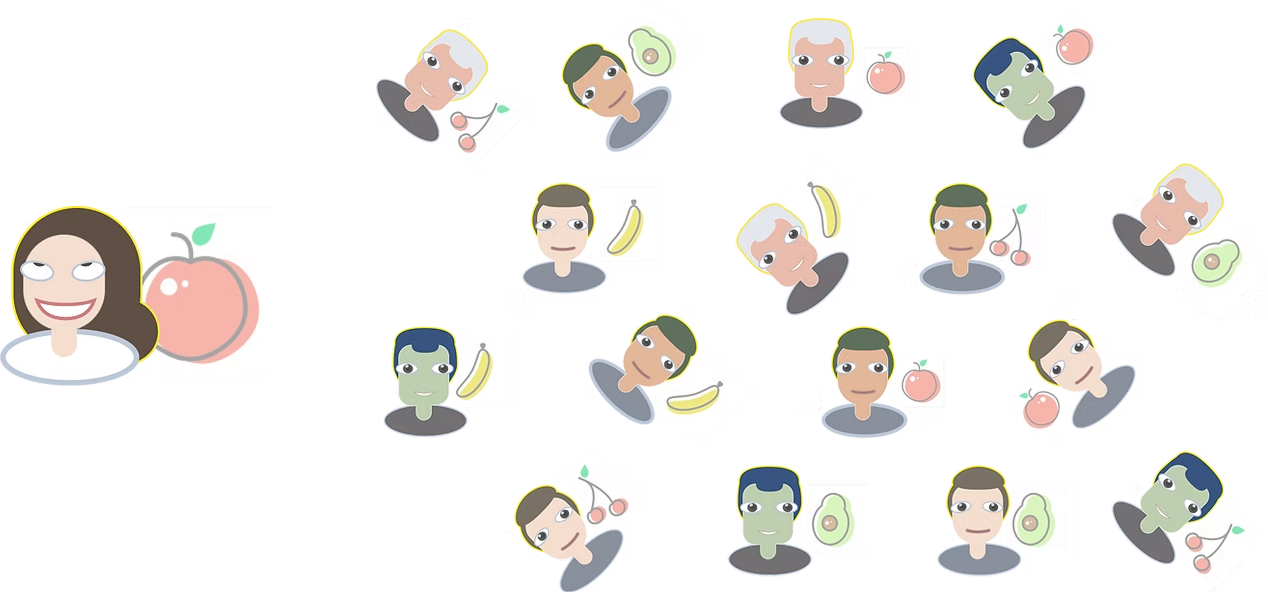
Interaction exploration
Three interaction models were tested with managers to explore different mental models.
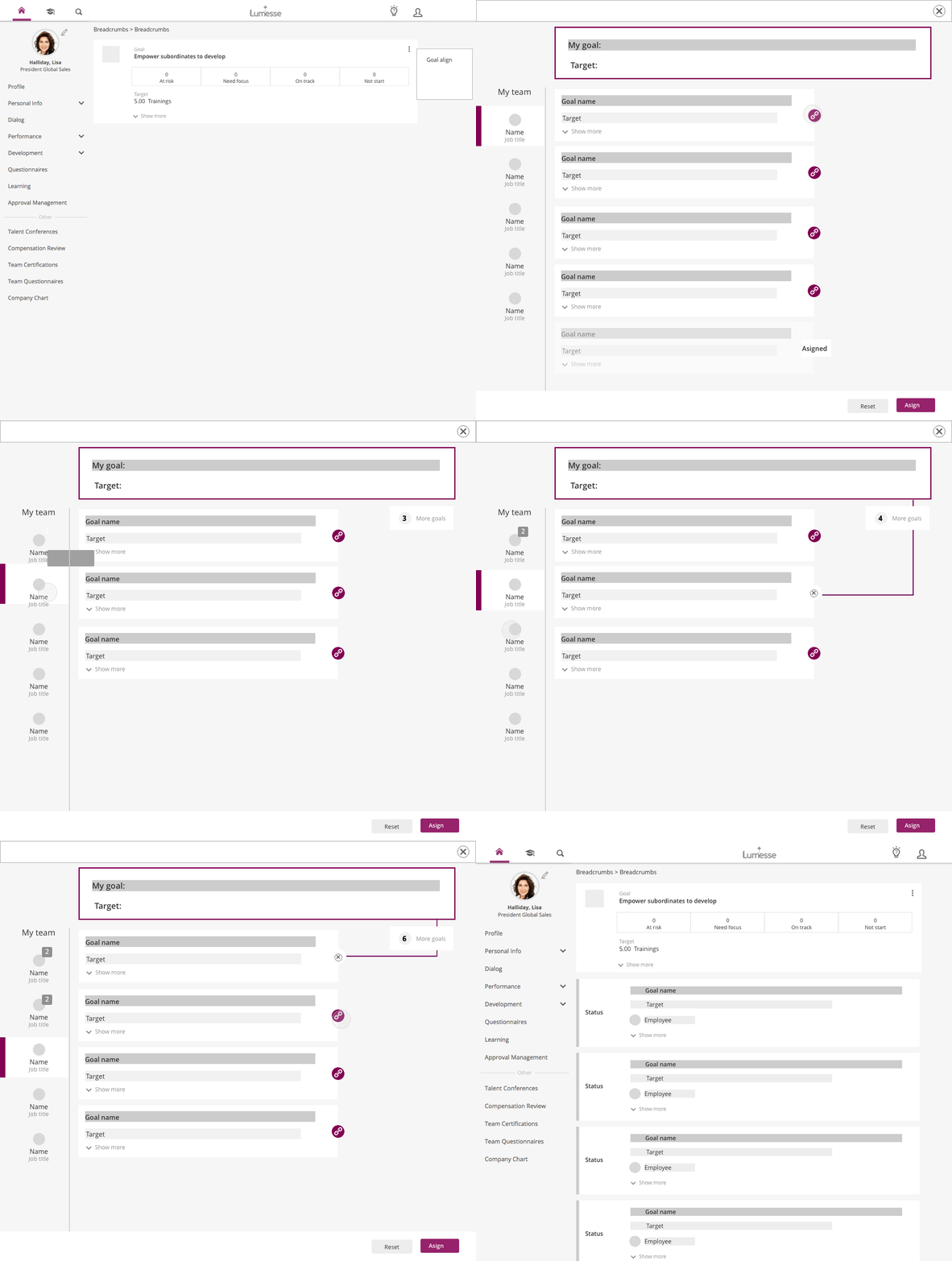
Link to goal
- Focus on one parent goal
- Navigate through employees to link matching child goals
Limitation
- Linked relationships were not clearly visible afterward
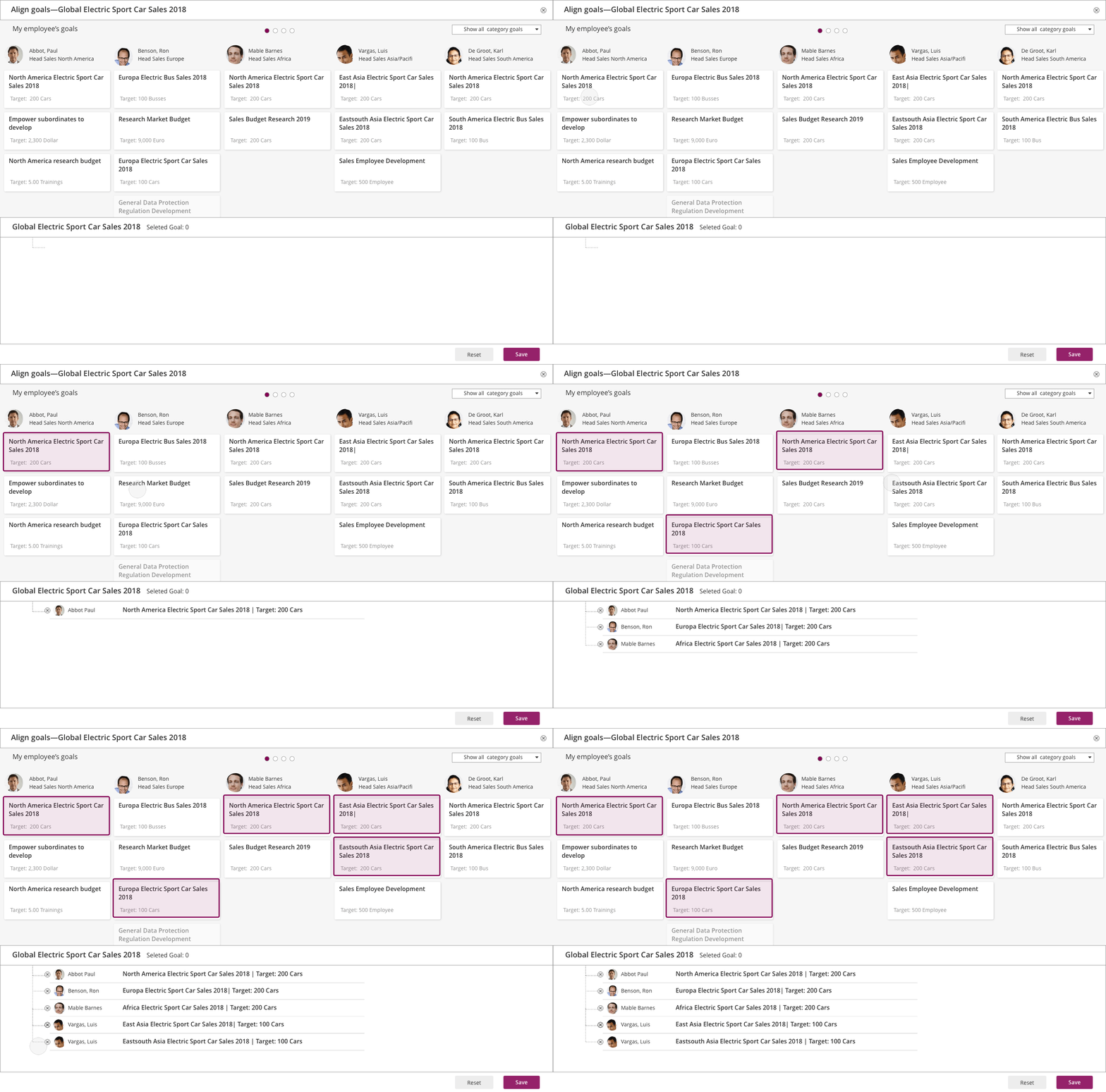
Box selection
- Focus on one parent goal
- Select child goals in a flat, grouped layout
Limitation
- Limited space per goal reduced information clarity
Poker card model
- Focus on one employee
- Drag child goal cards onto parent goal cards
- Provides an overview of multiple alignments
Limitation
- Required attention across multiple goals simultaneously

Key learnings from testing
- Managers prefer focusing on one parent goal at a time
- Aligned child goals must be immediately visible
- Filter and search are essential for scale
- Access to goal details must remain available
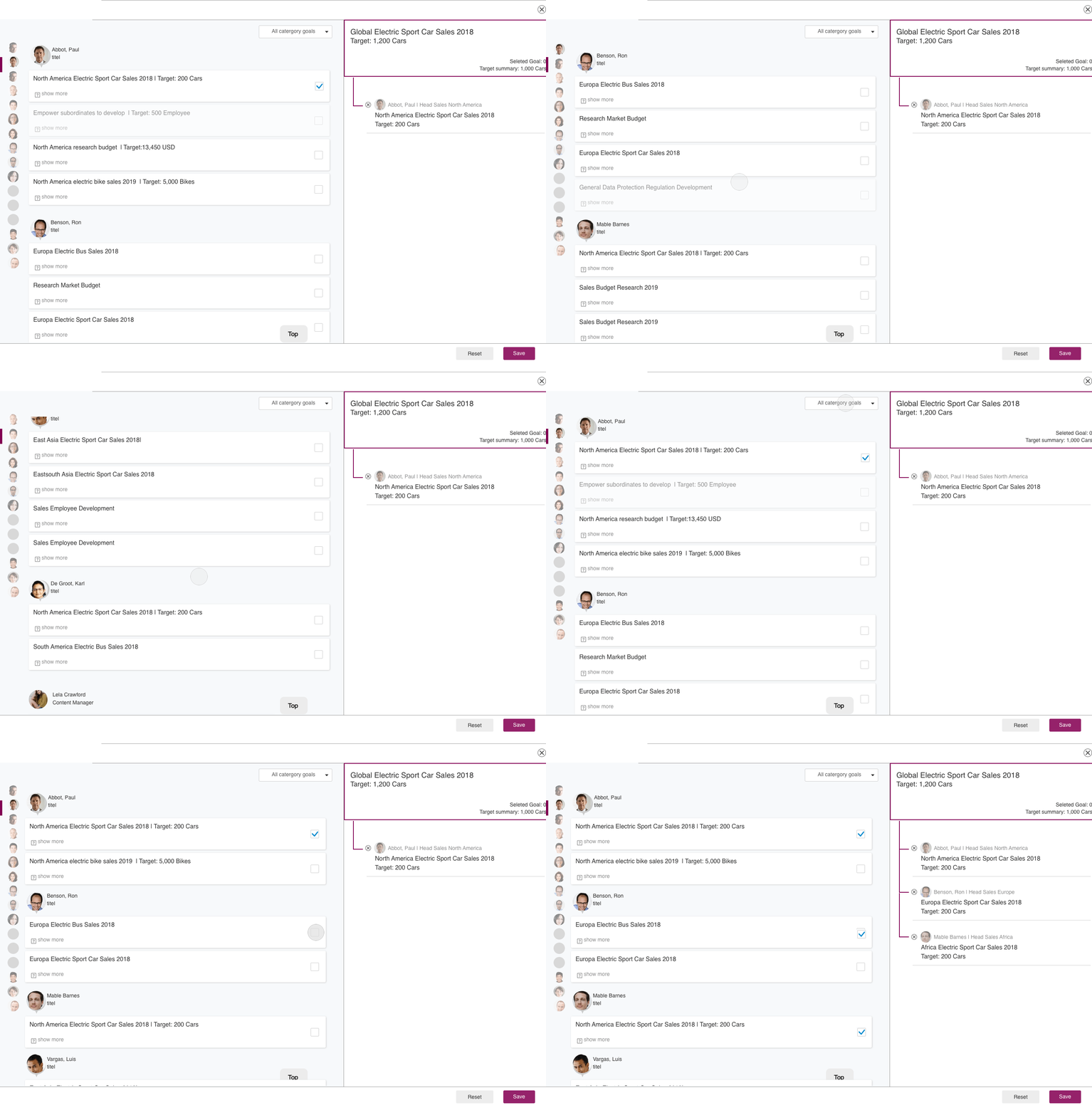
Final interaction model
- Two-column layout separates context and action
- Clear affordances guide goal alignment actions
- Enables comparison of goals across multiple employees within the same category
Outcome
- Clear visibility of goal relationships across teams
- Reduced cognitive load during alignment tasks
- Scalable interaction model for large organizations